
Is It Better to Replace All Windows at Once?
Deciding whether to replace all the windows in a home at once or gradually over time involves several considerations. Windows affect energy efficiency, indoor comfort, curb appeal, and property value. While replacing every window at once requires a larger upfront budget, it can reduce installation costs and create a consistent appearance. However, replacing windows in stages may be more practical for homeowners with financial limitations. Understanding the advantages of each approach helps homeowners choose a window replacement service strategy that supports their budgets and long-term goals.
Evaluating the Financial Benefits of Full Replacement
Planning for the Initial Investment
Replacing every window simultaneously requires a significant financial commitment. According to Bob Vila, the average home has 10 windows, so the total project cost can add up quickly. However, purchasing multiple windows together may qualify homeowners for manufacturer discounts or reduced installation rates. Hiring a contractor for one large project can also eliminate additional labor expenses associated with several smaller installations.
Before choosing a window replacement service, homeowners should establish a realistic budget. Window materials, frame styles, glass options, and installation requirements all influence the final price. Energy-efficient models may cost more initially, but their potential to reduce heating and cooling expenses can help offset the investment.
Replacing windows gradually spreads expenses across several months or years. However, repeated installation appointments and changing material prices can increase the cumulative cost. Comparing estimates for both approaches helps homeowners determine which option offers better long-term value.
Exploring Financing Options
Financing can make a complete replacement project more manageable. Home improvement loans, home equity lines of credit, and energy-efficiency financing programs allow homeowners to spread expenses over time. Local utility companies and government programs may also offer incentives for qualifying upgrades.
Homeowners should compare interest rates, repayment schedules, and total borrowing costs before committing to financing. Some window replacement service providers also offer financing arrangements that make larger projects easier to plan.
Considering Long-Term Property Value
New windows can improve a home's appearance and make it more attractive to prospective buyers. Modern frames, updated glass, and improved insulation are appealing features for people looking for properties with fewer immediate maintenance needs. Replacing all windows creates a consistent appearance that can strengthen the overall impression of a well-maintained home.
Energy-efficient windows may provide another selling point by helping reduce future utility expenses. Although the return on investment varies according to the local market, product quality, and installation, updated windows can contribute to a property's overall appeal.
Comparing the Energy Efficiency Benefits
Improving Insulation and Indoor Comfort
Older windows may have deteriorating seals, damaged frames, or outdated glass that allows unwanted heat transfer. Modern windows often feature improved glazing, insulated frames, and advanced weatherstripping. These features help maintain comfortable indoor temperatures while reducing the workload on heating and cooling systems.
A professional window replacement service can help homeowners identify products with appropriate insulation characteristics for their climate. Double-pane and triple-pane glass, low-emissivity coatings, and insulated frames can all contribute to better thermal performance. Some products also reduce outside noise and block ultraviolet rays that can fade interior furnishings.
Replacing every window at once provides more consistent insulation throughout the home. When older windows remain alongside newer models, some rooms may continue experiencing drafts or temperature fluctuations. A comprehensive upgrade addresses these differences and improves performance across the entire property.
Reducing Seasonal Heating and Cooling Costs
Windows influence household energy consumption throughout the year. During winter, poorly insulated windows can allow heated air to escape, while summer temperatures can make rooms uncomfortable when outdoor heat enters through inefficient glass. Modern replacements help limit these problems by improving insulation and reducing air leakage.
Replacing all windows at once allows homeowners to address efficiency concerns throughout the property immediately. Incremental projects provide gradual improvements, but rooms with older windows may continue contributing to higher energy consumption until the remaining replacements are completed.
Scheduling work during milder weather may help minimize temporary temperature changes inside the home. Regardless of the season, coordinating the project with an experienced window replacement service helps homeowners prepare their living spaces.
Supporting Environmental Responsibility
Reducing household energy consumption can lower the environmental impact associated with heating and cooling. Energy-efficient windows help limit unnecessary energy use, potentially reducing the demand for electricity and other heating fuels. Over time, these improvements can contribute to a smaller household carbon footprint.
Homeowners can look for products with recognized performance certifications when comparing options. ENERGY STAR certification identifies qualifying energy-efficient products, while National Fenestration Rating Council labels provide information about important performance characteristics. These ratings help consumers compare insulation and other efficiency factors before making a purchase.
Maintaining Consistent Design and Functionality
Creating a Unified Appearance
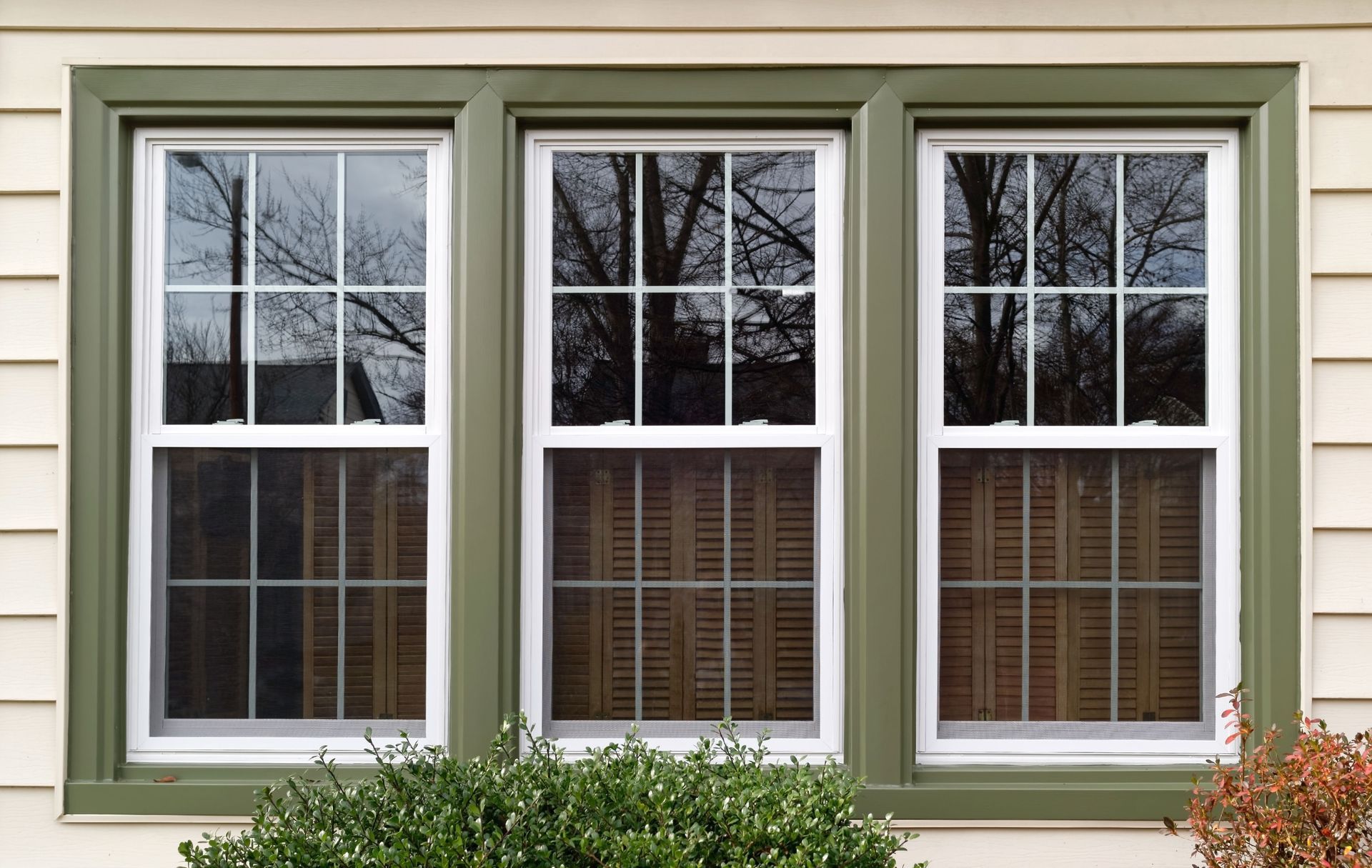
Replacing all windows simultaneously makes it easier to maintain consistent styles, colors, materials, and finishes. Matching windows create a coordinated appearance across the home's exterior while complementing interior design choices. This is especially important when existing windows have different ages, styles, or visible signs of wear.
Incremental replacements can sometimes create noticeable differences between older and newer windows. Manufacturers may discontinue certain finishes or designs, making exact matches difficult to find several years later. A complete project allows homeowners to select one coordinated product line and establish a consistent design throughout the property.
Homeowners should consider their property's architectural style when selecting replacement windows. Frame colors, grille patterns, opening styles, and glass options all influence the finished appearance.
Upgrading Everyday Convenience
Modern windows can provide functional improvements beyond insulation. Updated locking mechanisms may improve security, while contemporary operating systems can make opening and closing windows easier. Some models also include features designed to reduce outside noise or simplify cleaning.
Replacing every window at once gives homeowners an opportunity to standardize these features throughout the house. Rather than dealing with different operating mechanisms and levels of performance, they can enjoy similar functionality in every room.
Determining the Best Replacement Timeline
Identifying When Immediate Replacement Makes Sense
Replacing all windows at once may be the better choice when most existing units show signs of deterioration. Persistent drafts, condensation between glass panes, damaged frames, and difficulty operating multiple windows can indicate that a larger project is necessary. Addressing these problems together can reduce repeated repair appointments and provide more consistent results.
Homeowners planning major renovations may also benefit from completing window replacement alongside other exterior improvements. Coordinating projects can simplify scheduling and help ensure that new windows complement updated siding, trim, or other architectural features.
Recognizing When Phased Replacement Is Practical
Not every home requires an immediate, full-scale replacement. If only a few windows have significant problems, homeowners may prefer to prioritize those units and address the remaining windows later. This approach makes sense when existing windows are generally functional and the household needs additional time to prepare financially.
When replacing windows in stages, homeowners should prioritize units with visible damage, air leaks, or recurring moisture problems. Selecting replacement products that are likely to remain available in the future can also help maintain design consistency as additional work is completed.
Working With Experienced Installation Professionals
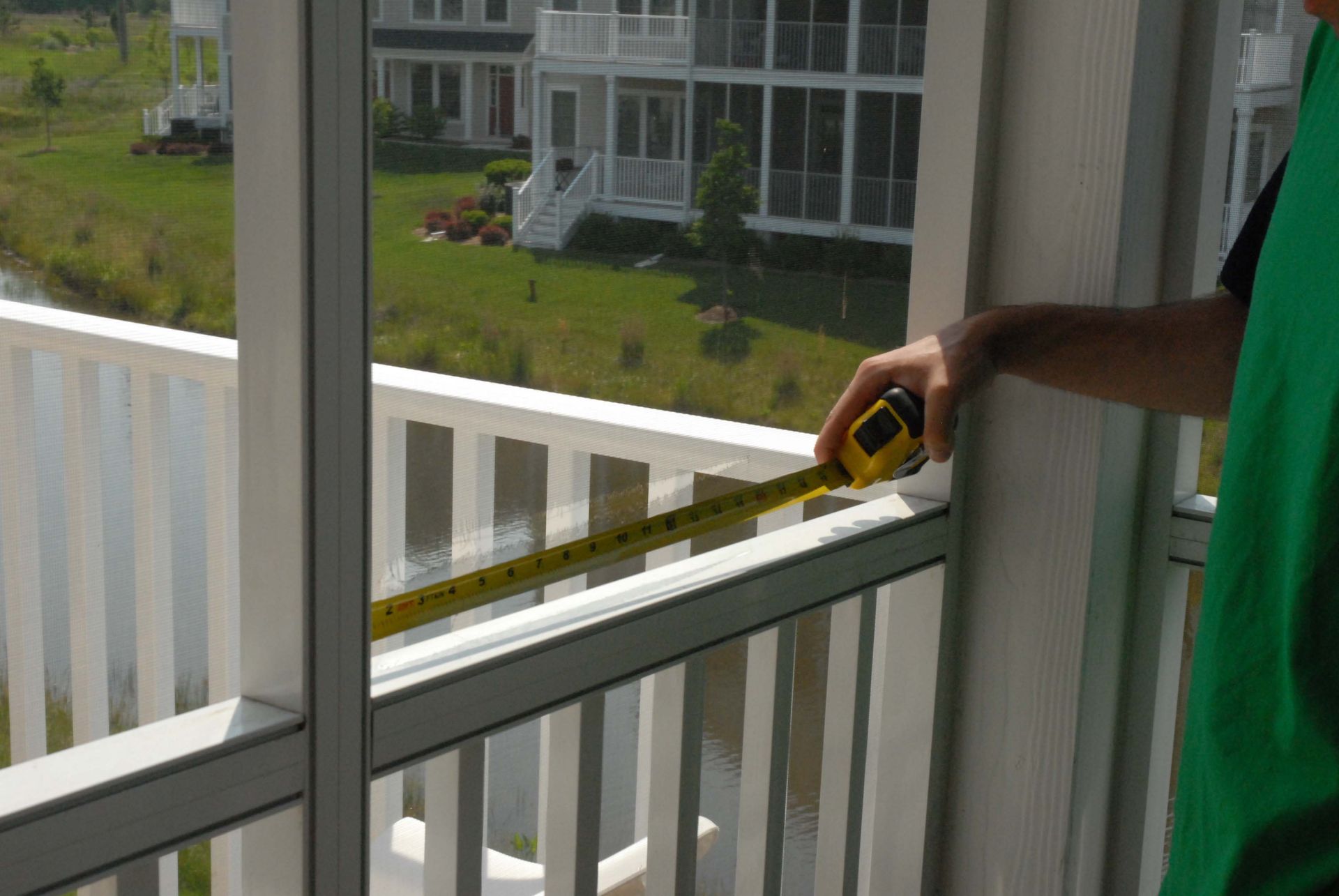
Regardless of the chosen timeline, professional installation plays an important role in window performance and longevity. Incorrect measurements, inadequate sealing, and improper fitting can undermine the benefits of even high-quality products. Experienced installers evaluate existing openings, identify potential structural concerns, and follow appropriate installation procedures.
Obtaining detailed estimates makes it easier to compare project costs, product options, warranties, and installation timelines. Homeowners should also ask about cleanup, disposal of old windows, and additional work that may be necessary once existing units are removed.
A knowledgeable window replacement service provider can help determine whether a complete project or phased approach makes more sense based on the condition of the windows and the homeowner's priorities.
Before committing to a project, homeowners should evaluate their current windows and compare the costs and benefits of both approaches. For guidance with product selection, project planning, and professional installation, contact Clear-Vue Inc. Their team can help homeowners explore available options and determine a window replacement service plan that supports their property's needs and long-term improvement goals.
Share On: